The Irish Premiership is a league that goes under the radar for most football fans, even fans from Northern Ireland. It is one of the most competitive leagues in the world, but yet the players don’t travel in private jets or sports cars, sometimes they cant even park at their own stadium.
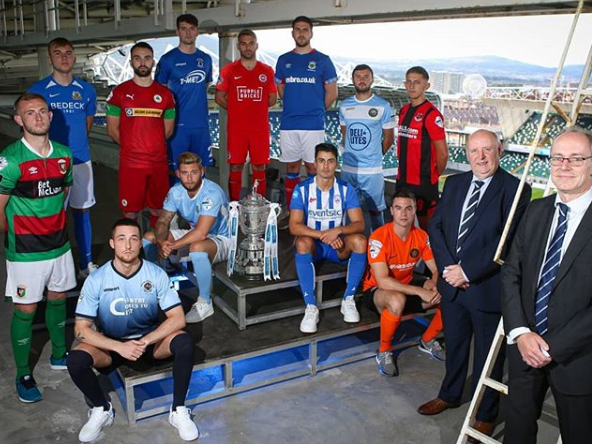
For the past few seasons the same question has been asked, is it time for full time football? In this article I am going to break down some of the positives and negatives of the proposal.
With a move to full-time football comes a step up in the quality of the game. The standard of football in the Irish Premiership is nowhere near the quality of the Premier League in England, but it is a standard which still bring hundreds of fans out each week. The scrappy, lose passes and scuffed shots are what makes the Irish Premiership a joy to watch, but a higher quality game would give the league a better reputation and allow many more youngsters to develop and progress into professional football in England allowing more finance to be available to the clubs.
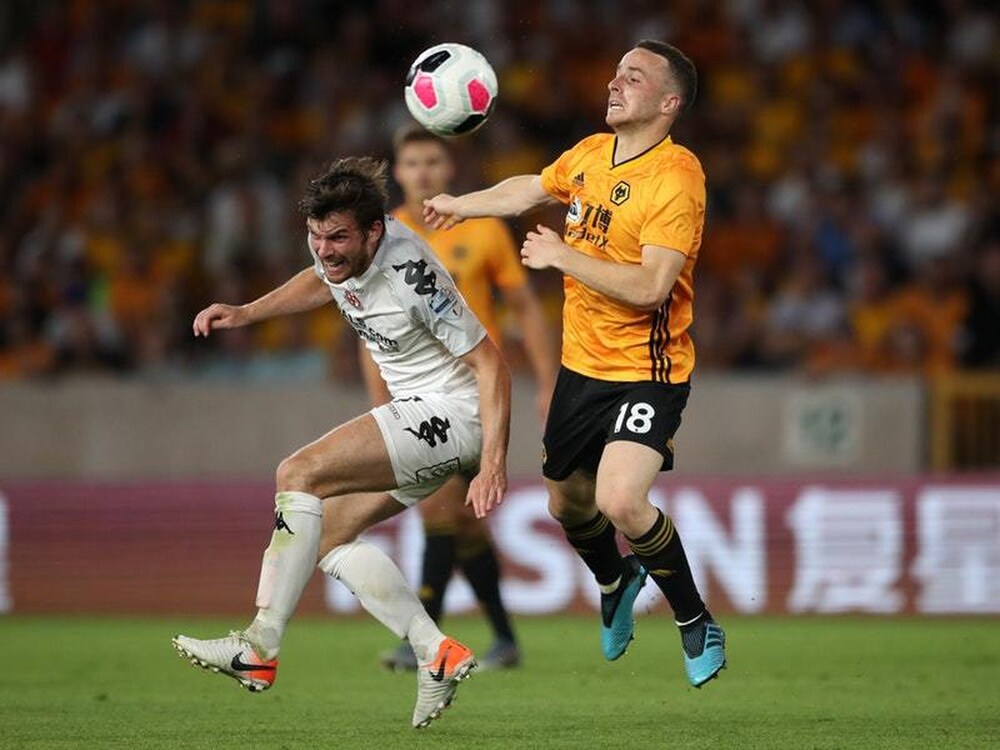
Most people would say that full time football would allow the teams to be more competitive in European competition. They have a strong point here. As previously mentioned, the standard of football would be higher and this would narrow the gap between the teams. But look at the current season, the most successful campaign for Irish Premiership sides. Linfield have reached the play-off round of the Europa League at least – having previously been beat by Rosenborg in the Champions League first qualifying round. Crusaders were beat by English Premier League side, Wolves, in the first qualifying round, while Cliftonville and Ballymena United put in strong performances, but ultimately not enough to progress past the preliminary round. None of these teams are full time yet and the standard of football is so much higher that it might not be achievable to reach this level with the current resources available.
The cost of becoming a full-time football team is significant and would require strong investment. Newly promoted side, Larne, have the backing of Kenny Bruce, while Glentoran have recently been bought over by a consortium. These are the teams that others will be looking at to see if the switch to full time is worth the initial cost in the long run.
On the BBC Sport NI Podcast, ‘Irish League Behaviour’ former Northern Ireland star and current Linfield Manager, David Healy, spoke about how Linfield train three times a week, which is only really a day less that most English sides. He also mentioned that full time football is something that the club are considering but doesn’t expect it to be put in place for the next while.
The comment which Healy made does give us an insight into the feeling within the clubs in the Irish Premiership. It is unlikely that any club will replicate Linfield in Europe this season for a number of campaigns, and an extra night of training would not bridge the gap between the current standard and the standard of established European sides.
Then there is the issue of players. For those 90 minutes from a 3pm on a Saturday afternoon, they are our heroes. But off the pitch, they are normal members of society. Some might come over for a chat, some might try and grab a burger from the van. They are not a-list celebrities, they are normal people like us who can just play football better. Some of the players have very successful off the pitch jobs, which pay a lot better than football. With a move to full time football, some will have to give up their job to continue to play in the game, losing out on much needed money. The commitment would also become bigger and some of the players with families may struggle to find a balance and may have to give up football. This could lead to a scenario in which some of the top players in the Premiership have to give up playing for full-time teams in order to live their life in a financially viable way.
Full time football will happen in the Irish Premiership at some stage over the next few seasons, but not all teams will want to be part of that move. The clubs at the bottom of Irish Premiership do not have the required funds to move to full time football and this would possibly create a gap between the full-time teams and the part-time teams in the league, which would not be good for the Irish Premiership.
 richardsmyth.sport.blog