With the recent annoucement by Irish Premiership side, Coleraine, that they will be installing a 4G pitch at The Showgrounds ahead of the 2020/21 campaign, it asks the question, is the financial benefit worth the risk to players?.
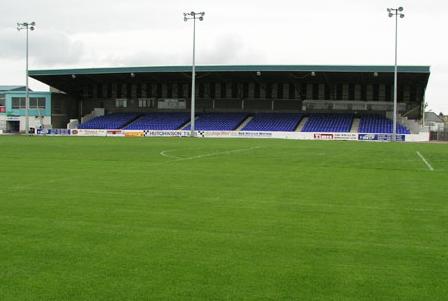
For those who don’t understand what a 4G pitch is (and its got nothing to do with mobile data), it is an artificial surface that is meant to replicate the look of grass. It is a mix of synthetic grass and sand. Similar to the previous generation, 3G, but without the pieces of rubber mixed throughout.
4G pitches allow the pitches to sustain a lot more wear than grass. This means that the pitch can be used every day without lasting damage, as would be the case with grass. This means that the club can rent the pitch to other teams or the public for a price which allows extra revenue to come into the club, as well as helping to pay the debt which installing the pitch has cost.
They may sound like something new, but they have actually been around in the Irish Premiership for almost a decade. Crusaders were the first club to install the artificial pitch back in 2009. This was a 3G pitch, which as i have previously said, is similar to a 4G pitch but includes rubber pieces in the mix. In an article in the Newsletter back in July 2009, manager Stephen Baxter said:
“But if we’re to keep moving on we must generate more non-football income so that Seaview is not lying idle for much of the week. We want our ground to be a focal point for the community and in use seven days a week but clearly the existing pitch could not sustain that level of usage and so we have decided to install this brand new “field turf” pitch which can be played on round the clock.”
The pitch being able to be used everyday of the week does allow for the community to use the pitch, for other teams to use it as their home venue and for the club itself to use it as a training pitch. This will bring extra revenue into the club, which can open up various options such as full-time football and high profile transfers.
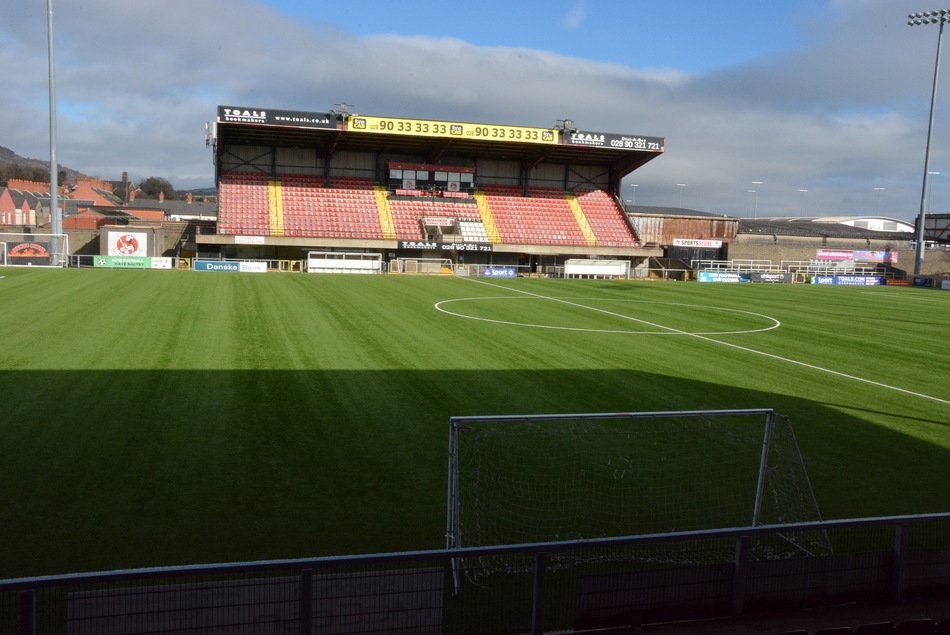
However, with the artificial surfaces their comes an added risk of injury. This is one of the common criticisms for the pitches. Irish Premiership fans might be aware of the injury which Rangers winger, Jamie Murphy, sustained while playing at Rugby Park, Kilmarnock during a League Cup match. Murphy damaged his knee ligaments after twisting his left knee. This led to Rangers boss, Steven Gerrard to critisise the use of ‘plastic’ pitches:
“If you ask Jamie right now he’ll say it was a pitch incident,”
“I’m not here to disrespect Kilmarnock and their playing facilities. I know it helps support the running of their club. But my opinion is elite football shouldn’t have any plastic pitches.”
“I think for every club worldwide it’s safer to have a grass pitch.”
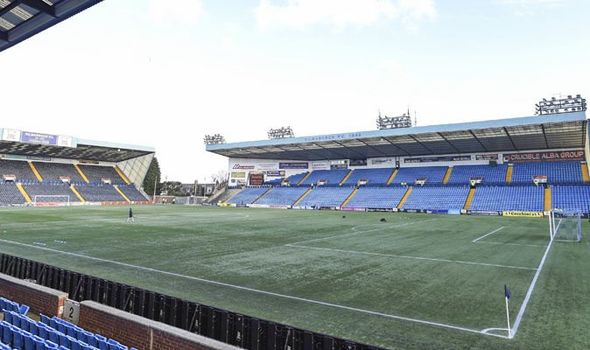
Many players have been left out of matches against teams with artificial pitches installed due to fear that it may aggravate an existing injury. One of the most high profile cases in recent seasons being Antonio Valencia, then of Manchester United, being left out of the Champions League tie against Young Boys.
Experts have mixed thoughts on whether artificial pitches cause more injuries than grass pitches. But when you at it from a scientific point of view, artificial pitches do cause more injuries. When there is an increased amount of friction – which is the case in artificial pitches, there is an increased rate in the amount of injuries in legs, ankles and feet.
In England, artificial surfaces are banned in the top five divisions of football, the Premier League and the Football League. The result of gaining promotion to the Football League from the National League and having a artificial surface installed can be detrimental to the future of the club. In 2018, Sutton United were in the scenario that they could be relegated from the National League despite potentially being promoted to the Football League.
The debate over artificial surfaces will go on forever. The idea of them is good, less matches being postponed, more finance coming into the club and the pitch usually looks better than a grass pitch at the end of a season. It is a long term investment that would pay off for a club willing to pay the initial costs.
However, injuries are a real worry and if teams start selecting their starting XI based on the surface they are playing on and not the opposition, it will affect the quality of football in Northern Ireland. We want to see the best players in the league playing each week, not just on grass. But does this overrule the financial gain for the clubs, and I don’t think clubs will mind if their opposition doesn’t want to field their top goalscorer because of the 4G pitch.
 richardsmyth.sport.blog